Posts

Showing posts with the label Electric

2020 TOYOTA RAV4

Image
Right about the time I’d passed 30 miles of all-electric driving with the RAV4 Prime plug-in hybrid, I knew this experience was going to be different. There was plenty of charge left.  With an expected EPA-rated 42-mile range from a big 18.1-kwh battery pack, the RAV4 Prime promises to transport commuters to work and back again without tailpipe emissions or the need to find another charge along the way. And then it becomes a 38-mpg hybrid after running through the charge, That and the Prime's suggested availability across the U.S., not just in California or a few select states, means it picks up right where the Chevy Volt left off .  Even better, it is the hottest crossover in these crossover-crazy times. The RAV4 is not only the top-selling SUV in the U.S. market for three years; the RAV4 Hybrid was also the top-selling hybrid in America last year—handily outselling the Toyota Prius.  The Prime finally checks nearly all the tech and special-needs boxes....
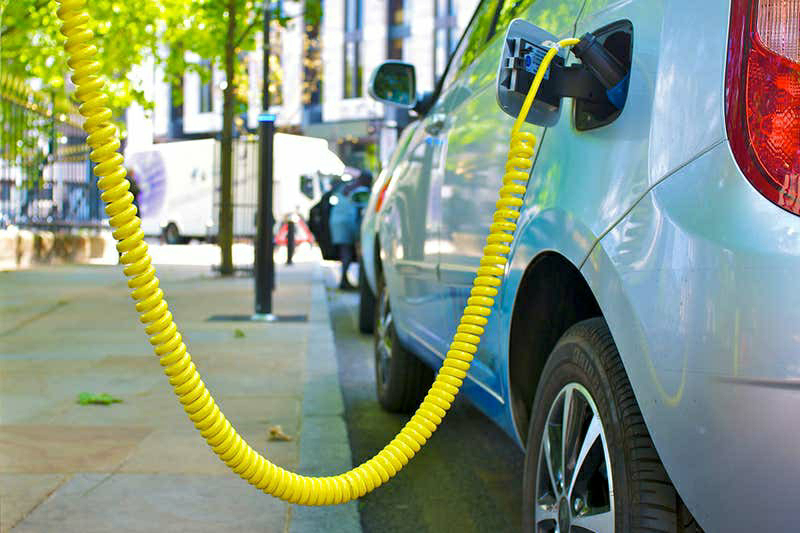
Electric cars produce less CO2 than petrol vehicles, study confirms

Image
Electric vehicles produce less carbon dioxide than petrol cars across the vast majority of the globe – contrary to the claims of detractors, who have alleged thain the production of electricity and their manufacture outweighs the benefits. The finding is a boost to governments, including the UK, seeking to move to net zero carbon emissions, which will require a massive expansion of the electric car fleet. A similar benefit was found for electric heat pumps. In the UK, transport is now the biggest contributor to the climate crisis and domestic heating has been stubbornly stuck on natural gas for much of the country. Across the world, passenger road vehicles and household heating generate about a quarter of all emissions from the burning of fossil fuels. That makes electric vehicles essential to reducing overall emissions, but how clean an electric vehicle is also depends on how the electricity is generated, the efficiency of the supply and the efficiency of the v...